Mold Removal in Decatur, GA
Mold remediation in Decatur, GA is the full process: assess where mold is growing and what feeds it, contain the area, remove the growth and dry the materials. Mold removal is the removal step inside it. Call (tracking number) to be connected with an independent local pro.
Referral service · Independent local mold removal pros
- InspectFind the growth and its moisture source
- ContainSeal the work area
- RemoveTake out growth and damaged material
- DryDry the structure, fix the source
- VerifyConfirm the area is dry and clear
Inspection firstThe cause is found before removal is planned
Independent local prosReferral service, no obligation
Decatur & North Decatur coveredFive Decatur ZIPs
Plain-English guidesRead before you call
Services
Mold services in Decatur, GA
Most Decatur mold jobs start with finding the moisture behind the growth. Pick the closest match, or call and describe what you are seeing. Every service is explained on the mold removal services in Decatur page.
Not sure it is mold? Start with an inspection.
An inspection with moisture readings shows what is growing and what is feeding it.
Mold remediation in Decatur
What does mold remediation involve?
Mold remediation is the whole job around the visible growth. Mold removal is one step inside it: physically taking out the growth and the material it has damaged. Remediation adds the steps that keep it from coming back, because mold returns wherever the moisture stays. A local pro works through five stages:
- Inspect. The pro checks the affected rooms and the hidden spaces around them, including the crawl space or basement, and takes moisture readings to find the water source.
- Contain. The work area is sealed so spores are not carried into clean rooms while material is disturbed.
- Remove. Growth is cleaned from surfaces that can be saved. Porous material that cannot be cleaned, such as soaked drywall or insulation, is cut out and bagged.
- Dry. The structure is dried and the moisture source corrected: a plumbing repair, better drainage, or ventilation in a crawl space.
- Verify. A final check confirms the area is dry and growth has not spread beyond the work zone.
Not every home needs every stage at full scale. A small patch on a bathroom wall is a different job from growth across a crawl space. The pro sets out what your home needs after the inspection, and nothing goes ahead until you agree.
Why Decatur
Why do Decatur homes get mold?
Mold needs moisture, and the EPA's guidance is plain: moisture control is the key to mold control. In Decatur, three local conditions keep moisture around:
- Rain all year, not just in one season. The Atlanta area averages about 50 inches of rain a year in NOAA's 1991–2020 climate normals, spread across every month, with July and March the wettest. There is no long dry season for a damp crawl space or basement to dry out.
- Older homes. The median home in the city of Decatur was built in 1975, according to the Census Bureau's American Community Survey, and over half the city's housing predates 1980. Nearly a quarter was built in 1939 or earlier. Older plumbing, roofs and foundations have had decades to develop slow leaks.
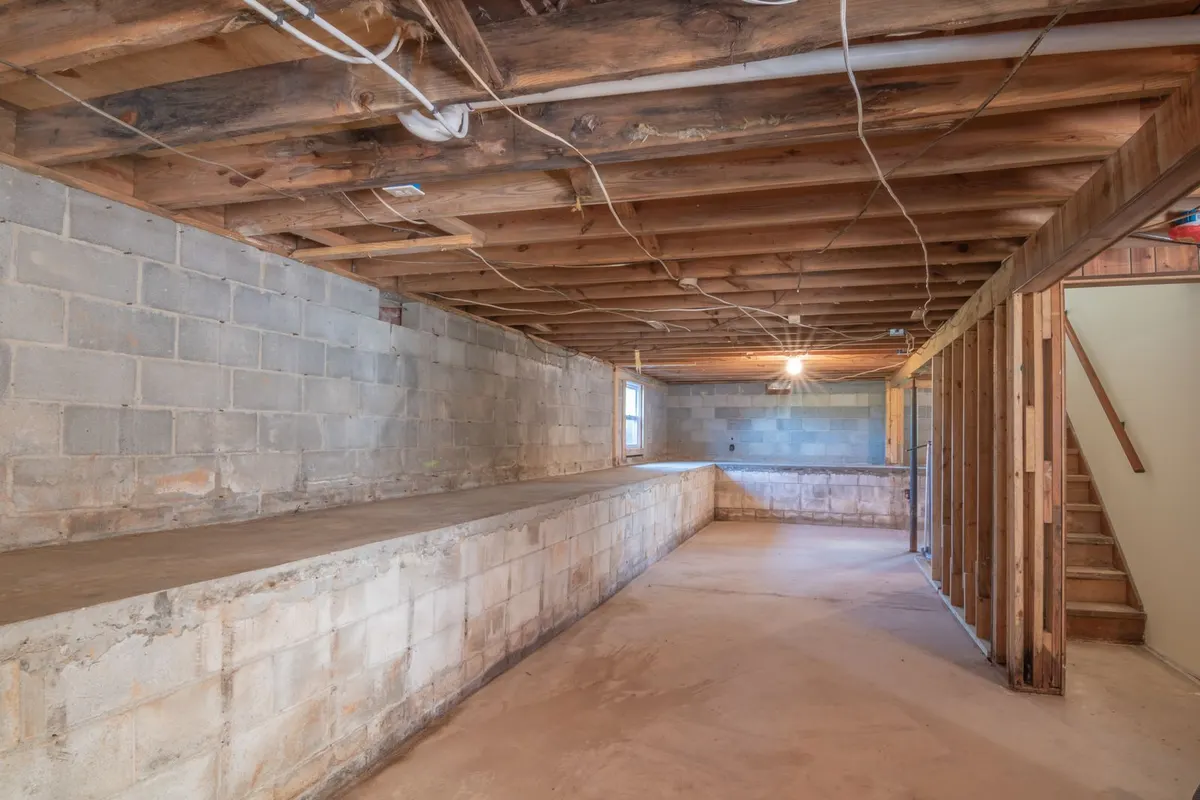
- Crawl spaces and basements. Many older Decatur homes sit over a crawl space or basement. These below-grade spaces stay cool and damp, and the EPA lists crawl spaces among the hidden areas most often missed after water damage.
- Humid summers. Summer humidity runs high, and warm, humid air meeting a cool basement wall or air-conditioning duct leaves condensation behind.
- Apartment buildings. About a quarter of Decatur's housing is in buildings of 50 or more units, where a leak in one unit can feed growth in the next.
None of this means a Decatur home is bound to have mold. It means the moisture source has to be found and fixed, not only the visible patch cleaned. That is why an inspection with moisture readings is usually the first step.
Where to start
Removal, remediation or testing: which do you need?
- A small patch on a hard surface, such as bathroom grout, with no sign of a hidden leak, may only need cleaning. The EPA notes that homeowners can usually handle an area under about 10 square feet.
- Growth that keeps coming back points to a moisture source that has not been fixed. Start with an inspection.
- Growth inside walls, under floors, in the crawl space or after a leak calls for remediation with containment by a pro.
- A musty odor with no visible growth calls for an inspection, and possibly mold testing.
- Buying an older Decatur home is a common reason to book testing, so the condition is documented before closing.
Which parts of Decatur are covered?
The pros reached through this site cover five Decatur ZIPs: 30030, 30032, 30033, 30034 and 30035.
Decatur itself (30030) is covered from this page. See the Decatur areas page for the full list.
How it works
Why homeowners use a referral service
Finding mold raises a lot of questions at once. This site is a referral service: it does no mold work itself. One call connects you with an independent local pro who covers your Decatur ZIP, and that pro inspects, explains the findings and carries out any work you agree to.
- Call (tracking number)Describe what you found and where.
- Get connectedWith an independent mold pro covering your ZIP.
- InspectionGrowth and moisture source explained.
- You decideWork goes ahead only once you agree.
Questions Decatur homeowners ask
What is the difference between mold removal and mold remediation?
Mold removal is the physical removal of visible growth from surfaces and materials. Mold remediation is the full process around it: assess the extent, contain the area, remove the growth, dry the materials and correct the moisture source so it does not return. A pro decides how much of that process a home needs after assessing it.
How long does remediation take in a Decatur home?
It depends on the size of the affected area and where the growth is. A small, contained area is a short job once assessed; growth inside walls or a crawl space takes longer because containment and drying are part of the job. The pro gives a timeline after the assessment, before work starts.
Should testing come before removal?
Not always. When growth is visible and the moisture source is clear, an inspection is usually enough to plan the work. Testing helps when the extent is uncertain, when a hidden problem is suspected, or when documentation of mold type and levels is needed. The inspection findings decide.
Which Decatur areas do the pros cover?
The pros cover Decatur and its edge neighborhoods, including North Decatur and the Belvedere Park and Candler-McAfee area south of the city. Covered ZIPs are 30030, 30032, 30033, 30034 and 30035. If you are just outside that set, call anyway and ask — coverage is confirmed on the call.
Found mold? Leave it alone, then call.
One call connects you with an independent local mold pro covering Decatur, GA.